
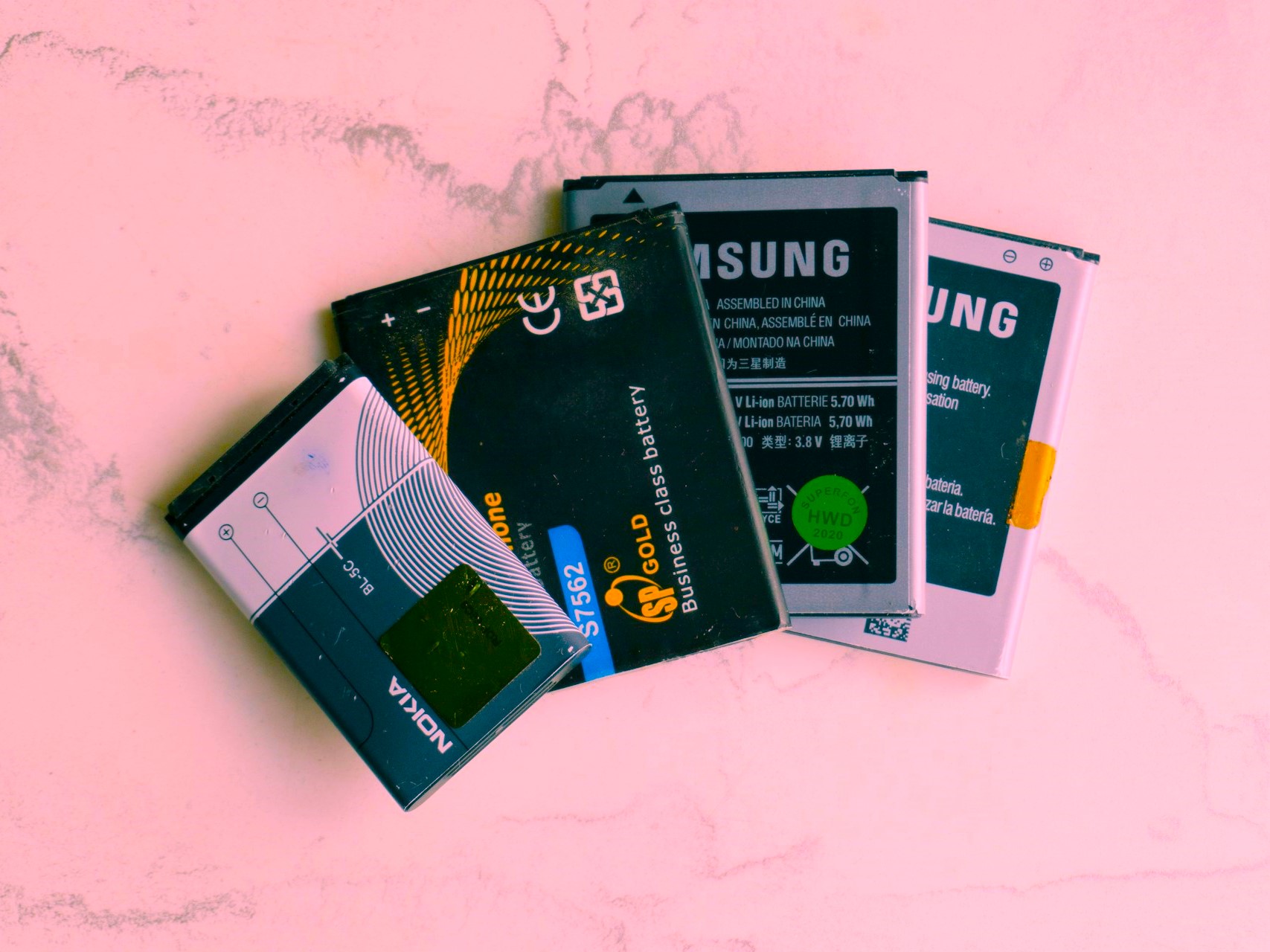
I’m a huge proponent of power stations and portable power. I have a ton of them in my home and I use them regularly for a variety of applications, not just when the power is out. I also love to bring portable power packs with me on trips around town, when my family goes on vacation and when we travel more widespread. It’s nice to have a backup solution when your phone, tablet, or Steam Deck runs out of battery and you need a quick charge. That doesn’t mean I’m oblivious to the risks and dangers of using these types of batteries.
According to a Guardian report, UK firefighters were called to one lithium-ion battery fire every five hours or so. Those stats are UK-specific, yes, but it highlights the potential for fire risk. Moreover, the FAA’s lithium-battery incident tracker for plane events shows that about 794 verified incidents have occurred between March 3, 2006 and September 15, 2026. A total of 77 have happened this year alone (2026). Those are not insignificant numbers.
And let’s be clear, these are mostly lithium batteries inside smaller, generic power packs and other mobile devices. Also batteries in any smartphone, tablet, portable game console, media player, you name it. Everything that uses lithium technology is relevant because a lot of the risks boil down to the manufacturing of the components and the quality of said builds. Power stations come with the same risks, too, and there have been recalls because of it.
What causes the danger?
Several factors affect the operation and potential failure of lithium devices:
- Chemical composition inside the battery
- Overcharging and overheating
- Poor charging habits overall
- Natural power cycling and age
- Thermal runaway from damage, misuse, or potential failures
- Ejected components that separate from a pack or protective casing
- Exposure to extreme temperatures or climates
All kinds of things can happen when a lithium battery is failing, too, regardless of its size. They can bulge or expand, pop, hiss, vent gas and liquids, grow continuously hotter, smoke, and much more. Even if they’re not actively on fire, they could be dangerous to touch or be around and can cause problems for the surrounding environment.
What to do about it?

Watch for warning signs of damage or unusual heat coming off the device, try to stick to original chargers or chargers rated for the same voltage, and try to follow reasonable charging habits. Don’t charge your phones, devices, or power packs while they’re resting on soft surfaces like beds or couches. Don’t leave them charging all night long. Maybe consider setting charge limits, which is also good for prolonging the battery’s lifecycle.
Most importantly, know how to dispose of potential dangers, including smaller devices or large power stations if and when there’s an issue. You cannot just throw them away in the trash, there are designated and specialized drop-off locations for lithium disposables. The Battery Network is an excellent resource to find local drop-off locations. You can also hit up some local stores like Best Buy or Walmart if you have nowhere else to go. Most fire stations, and firefighters, know what to do in a major lithium fire event, as well, though you shouldn’t drop by unannounced with hazardous power packs.
The good news is LiFePO4 batteries are relatively safe — they generally don’t overheat like regular Lithium technologies — and most reputable power station manufacturers build in redundant safety measures. My Bluetti Elite 200 V2, for example, has multiple protective layers including leakage protection with a grounding terminal, tough and highly-resistant battery cells, wear-resistant shell materials, and overcharge, overheating and various other protections.
The lesson for that last bit is really just to go with reputable companies that have a positive track record. Don’t choose off-brand or generic power providers and certainly don’t buy ultra-cheap power and battery packs unless you’re prepared to deal with the risk.
The National Fire Protection Agency is another great resource
If you want to learn more about the risks, and ways to protect yourself, the NFPA has an entire portal dedicated to lithium-ion battery safety. There’s a safety sheet that shares tips about storage, disposal, and charging. Moreover, you can take a 10 minute lesson on preventing fires and hazards related to lithium batteries. Extra sections on e-bikes, e-scooters, and electric vehicles (EVs) are also highly prescient these days. Go learn more from experts rather than this weird dude typing furiously on his keyboard.
Know the signs. Keep an eye out for them. Have a game plan for disposal if and when you notice damage or fire risks.
More Information
- The Battery Network
- Environmental Research and Education Foundation (EREF)
- U.S. Environmental Protection Agency (EPA)
- U.S. Department of Transportation (Safe shipping and handling)
- The Home Depot


